
Diagnose
Find what the student knows, what is shaky, and where marks are being lost.
A name inspired by the belief that learning begins with curiosity. That idea drives everything we build; a learning platform where understanding matters more and curiosity leads the way.
What classrooms cannot do alone
Students drown in notes, videos, and past papers, yet still do not know what to study tonight. Effort spreads evenly instead of concentrating on the weak topics that cost marks.
One teacher cannot reach thirty students individually. Even great teachers are flying blind between exams. The signal was always there in every hesitation and wrong instinct, but no system acted on it.
This generation has more content than any before. The gap is not material. It is direction. What a student knows, where they are stuck, and what they should work on next.
A chatbot answers what it is asked. Sukrat leads the session. It decides what the student does next, adapts after every interaction, and builds a persistent picture of what each student knows and what they need to learn next. The intelligence is in the system, not the prompt.
Find what the student knows, what is shaky, and where marks are being lost.
Build a daily plan and rank weak topics by what matters most for the exam.
Deliver targeted questions, explanations, and feedback built to exam standards.
Update the plan after every answer. The next session starts where the last one ended.
Benjamin Bloom's 1984 study found that students tutored one-to-one performed two standard deviations better than peers in conventional classrooms, outperforming 98% of them. Access was always the limit. Sukrat removes the limit.

We met as undergraduates in 2006 and spent the next two decades inside systems that often fail the people they serve. Public sector at sovereign scale on one side, enterprise education technology on the other. When we reconnected in 2026, we reached the same conclusion independently. AI can finally compress what used to require a human tutor sitting beside each student.
The first wave of AI in education disappointed because it was reactive. A chatbot that waits to be asked. A student who already knew the right question would not need help. Sukrat is named for Socrates, but built as a system that leads. It diagnoses, sequences, and adapts without being prompted.
We are not claiming generic AI fixes education. A specific system built to diagnose, plan, practice, and adapt, grounded in real curricula, can.
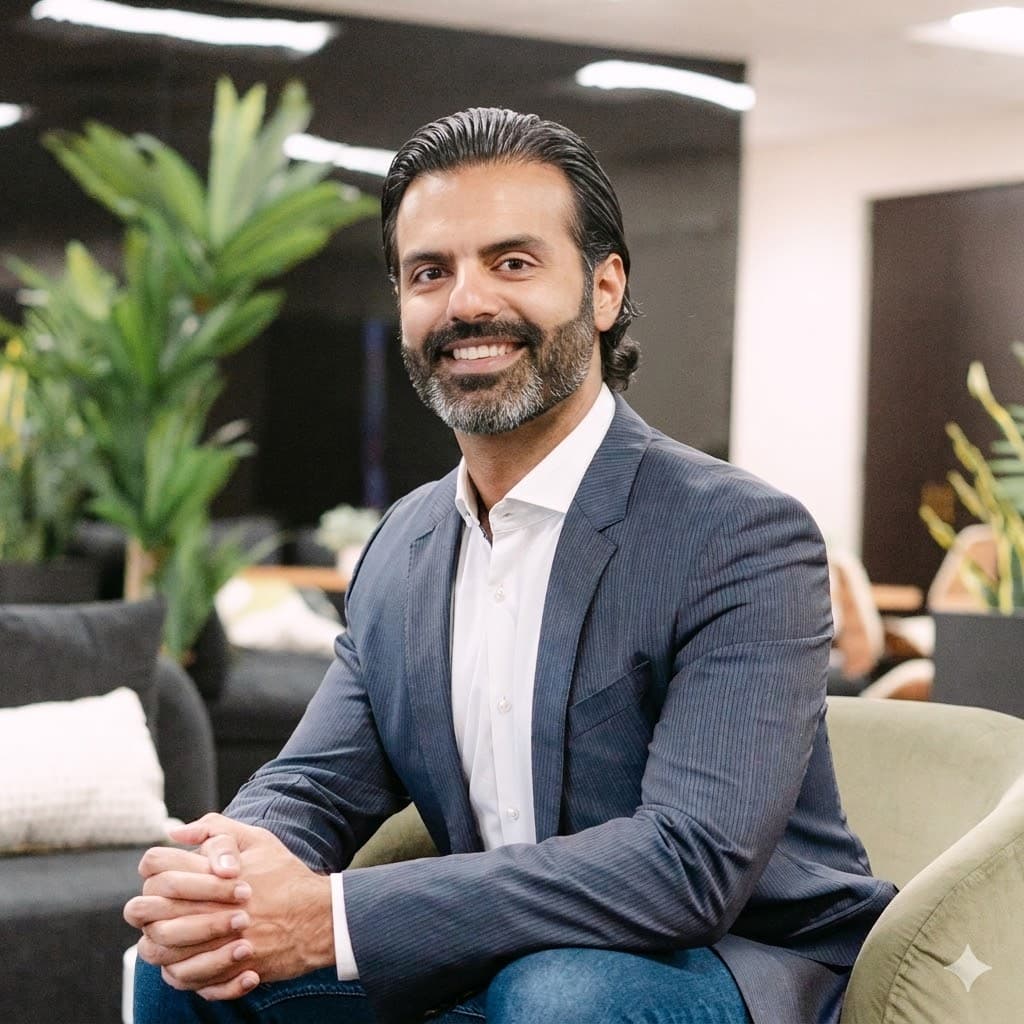
Co-founder & CEO
CMU Heinz (Fulbright Scholar, Highest Distinction). Former Chief of Staff, Pakistan Ministry of Finance. Sovereign Debt Analyst on Pakistan's $3B IMF Standby Arrangement. Deputy Program Director of a $120M rural development programme. Secured school pilot commitments across three curricula before any marketing spend.
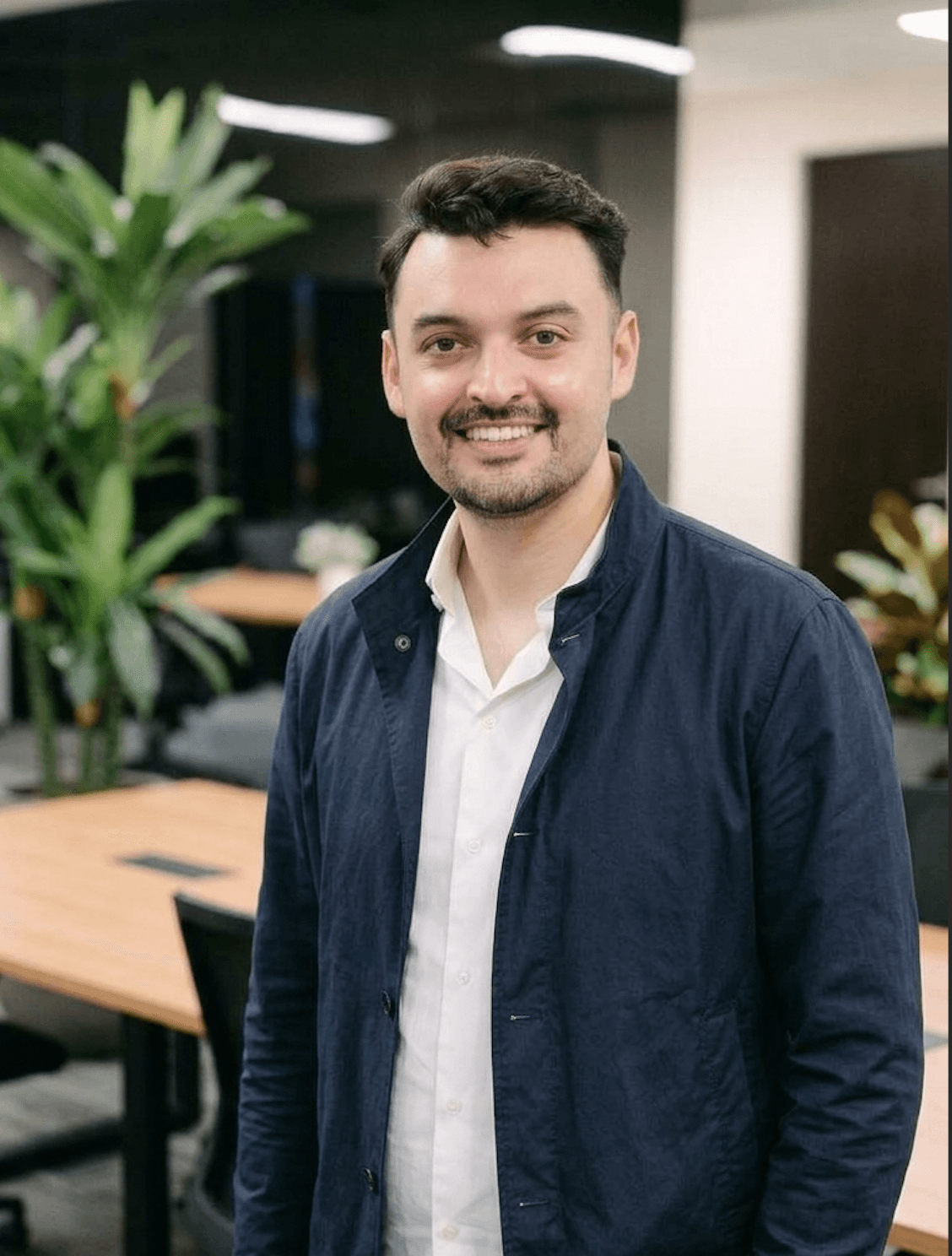
Co-founder & CTO
Built the entire Sukrat platform, all four modules, the RAG pipeline, and the ML infrastructure, before raising. Wanclouds ($0 to $4M+ GTM) and Google for Education (top-100 US Higher Ed). Full-time on Sukrat since December 2025.
A name inspired by the belief that learning begins with curiosity. That idea drives everything we build; a learning platform where understanding matters more and curiosity leads the way.
What classrooms cannot do alone
Students drown in notes, videos, and past papers, yet still do not know what to study tonight. Effort spreads evenly instead of concentrating on the weak topics that cost marks.
One teacher cannot reach thirty students individually. Even great teachers are flying blind between exams. The signal was always there in every hesitation and wrong instinct, but no system acted on it.
This generation has more content than any before. The gap is not material. It is direction. What a student knows, where they are stuck, and what they should work on next.
A chatbot answers what it is asked. Sukrat leads the session. It decides what the student does next, adapts after every interaction, and builds a persistent picture of what each student knows and what they need to learn next. The intelligence is in the system, not the prompt.
Find what the student knows, what is shaky, and where marks are being lost.
Build a daily plan and rank weak topics by what matters most for the exam.
Deliver targeted questions, explanations, and feedback built to exam standards.
Update the plan after every answer. The next session starts where the last one ended.
Benjamin Bloom's 1984 study found that students tutored one-to-one performed two standard deviations better than peers in conventional classrooms, outperforming 98% of them. Access was always the limit. Sukrat removes the limit.
We met as undergraduates in 2006 and spent the next two decades inside systems that often fail the people they serve. Public sector at sovereign scale on one side, enterprise education technology on the other. When we reconnected in 2026, we reached the same conclusion independently. AI can finally compress what used to require a human tutor sitting beside each student.
The first wave of AI in education disappointed because it was reactive. A chatbot that waits to be asked. A student who already knew the right question would not need help. Sukrat is named for Socrates, but built as a system that leads. It diagnoses, sequences, and adapts without being prompted.
We are not claiming generic AI fixes education. A specific system built to diagnose, plan, practice, and adapt, grounded in real curricula, can.
Co-founder & CEO
CMU Heinz (Fulbright Scholar, Highest Distinction). Former Chief of Staff, Pakistan Ministry of Finance. Sovereign Debt Analyst on Pakistan's $3B IMF Standby Arrangement. Deputy Program Director of a $120M rural development programme. Secured school pilot commitments across three curricula before any marketing spend.
Co-founder & CTO
Built the entire Sukrat platform, all four modules, the RAG pipeline, and the ML infrastructure, before raising. Wanclouds ($0 to $4M+ GTM) and Google for Education (top-100 US Higher Ed). Full-time on Sukrat since December 2025.
A name inspired by the belief that learning begins with curiosity. That idea drives everything we build; a learning platform where understanding matters more and curiosity leads the way.
What classrooms cannot do alone
Students drown in notes, videos, and past papers, yet still do not know what to study tonight. Effort spreads evenly instead of concentrating on the weak topics that cost marks.
One teacher cannot reach thirty students individually. Even great teachers are flying blind between exams. The signal was always there in every hesitation and wrong instinct, but no system acted on it.
This generation has more content than any before. The gap is not material. It is direction. What a student knows, where they are stuck, and what they should work on next.
A chatbot answers what it is asked. Sukrat leads the session. It decides what the student does next, adapts after every interaction, and builds a persistent picture of what each student knows and what they need to learn next. The intelligence is in the system, not the prompt.
Find what the student knows, what is shaky, and where marks are being lost.
Build a daily plan and rank weak topics by what matters most for the exam.
Deliver targeted questions, explanations, and feedback built to exam standards.
Update the plan after every answer. The next session starts where the last one ended.
Benjamin Bloom's 1984 study found that students tutored one-to-one performed two standard deviations better than peers in conventional classrooms, outperforming 98% of them. Access was always the limit. Sukrat removes the limit.
We met as undergraduates in 2006 and spent the next two decades inside systems that often fail the people they serve. Public sector at sovereign scale on one side, enterprise education technology on the other. When we reconnected in 2026, we reached the same conclusion independently. AI can finally compress what used to require a human tutor sitting beside each student.
The first wave of AI in education disappointed because it was reactive. A chatbot that waits to be asked. A student who already knew the right question would not need help. Sukrat is named for Socrates, but built as a system that leads. It diagnoses, sequences, and adapts without being prompted.
We are not claiming generic AI fixes education. A specific system built to diagnose, plan, practice, and adapt, grounded in real curricula, can.
Co-founder & CEO
CMU Heinz (Fulbright Scholar, Highest Distinction). Former Chief of Staff, Pakistan Ministry of Finance. Sovereign Debt Analyst on Pakistan's $3B IMF Standby Arrangement. Deputy Program Director of a $120M rural development programme. Secured school pilot commitments across three curricula before any marketing spend.
Co-founder & CTO
Built the entire Sukrat platform, all four modules, the RAG pipeline, and the ML infrastructure, before raising. Wanclouds ($0 to $4M+ GTM) and Google for Education (top-100 US Higher Ed). Full-time on Sukrat since December 2025.
A name inspired by the belief that learning begins with curiosity. That idea drives everything we build; a learning platform where understanding matters more and curiosity leads the way.
What classrooms cannot do alone
Students drown in notes, videos, and past papers, yet still do not know what to study tonight. Effort spreads evenly instead of concentrating on the weak topics that cost marks.
One teacher cannot reach thirty students individually. Even great teachers are flying blind between exams. The signal was always there in every hesitation and wrong instinct, but no system acted on it.
This generation has more content than any before. The gap is not material. It is direction. What a student knows, where they are stuck, and what they should work on next.
A chatbot answers what it is asked. Sukrat leads the session. It decides what the student does next, adapts after every interaction, and builds a persistent picture of what each student knows and what they need to learn next. The intelligence is in the system, not the prompt.
Find what the student knows, what is shaky, and where marks are being lost.
Build a daily plan and rank weak topics by what matters most for the exam.
Deliver targeted questions, explanations, and feedback built to exam standards.
Update the plan after every answer. The next session starts where the last one ended.
Benjamin Bloom's 1984 study found that students tutored one-to-one performed two standard deviations better than peers in conventional classrooms, outperforming 98% of them. Access was always the limit. Sukrat removes the limit.
We met as undergraduates in 2006 and spent the next two decades inside systems that often fail the people they serve. Public sector at sovereign scale on one side, enterprise education technology on the other. When we reconnected in 2026, we reached the same conclusion independently. AI can finally compress what used to require a human tutor sitting beside each student.
The first wave of AI in education disappointed because it was reactive. A chatbot that waits to be asked. A student who already knew the right question would not need help. Sukrat is named for Socrates, but built as a system that leads. It diagnoses, sequences, and adapts without being prompted.
We are not claiming generic AI fixes education. A specific system built to diagnose, plan, practice, and adapt, grounded in real curricula, can.
Co-founder & CEO
CMU Heinz (Fulbright Scholar, Highest Distinction). Former Chief of Staff, Pakistan Ministry of Finance. Sovereign Debt Analyst on Pakistan's $3B IMF Standby Arrangement. Deputy Program Director of a $120M rural development programme. Secured school pilot commitments across three curricula before any marketing spend.
Co-founder & CTO
Built the entire Sukrat platform, all four modules, the RAG pipeline, and the ML infrastructure, before raising. Wanclouds ($0 to $4M+ GTM) and Google for Education (top-100 US Higher Ed). Full-time on Sukrat since December 2025.